Understanding Plant Hardiness Zones to Maximize Growth
At Priority Landscape, successful commercial landscaping isn’t just about aesthetics—it’s about longevity and sustainability. One of the most critical, yet often overlooked, elements in achieving lasting landscape success is understanding plant hardiness zones. These zones serve as the foundation for intelligent plant selection, ensuring every commercial landscape thrives season after season.
Whether managing a retail plaza, a corporate campus, or a residential community under an HOA, selecting plants suited to your zone minimizes risk and maintenance while maximizing visual appeal and ecological function.
What Are Plant Hardiness Zones?
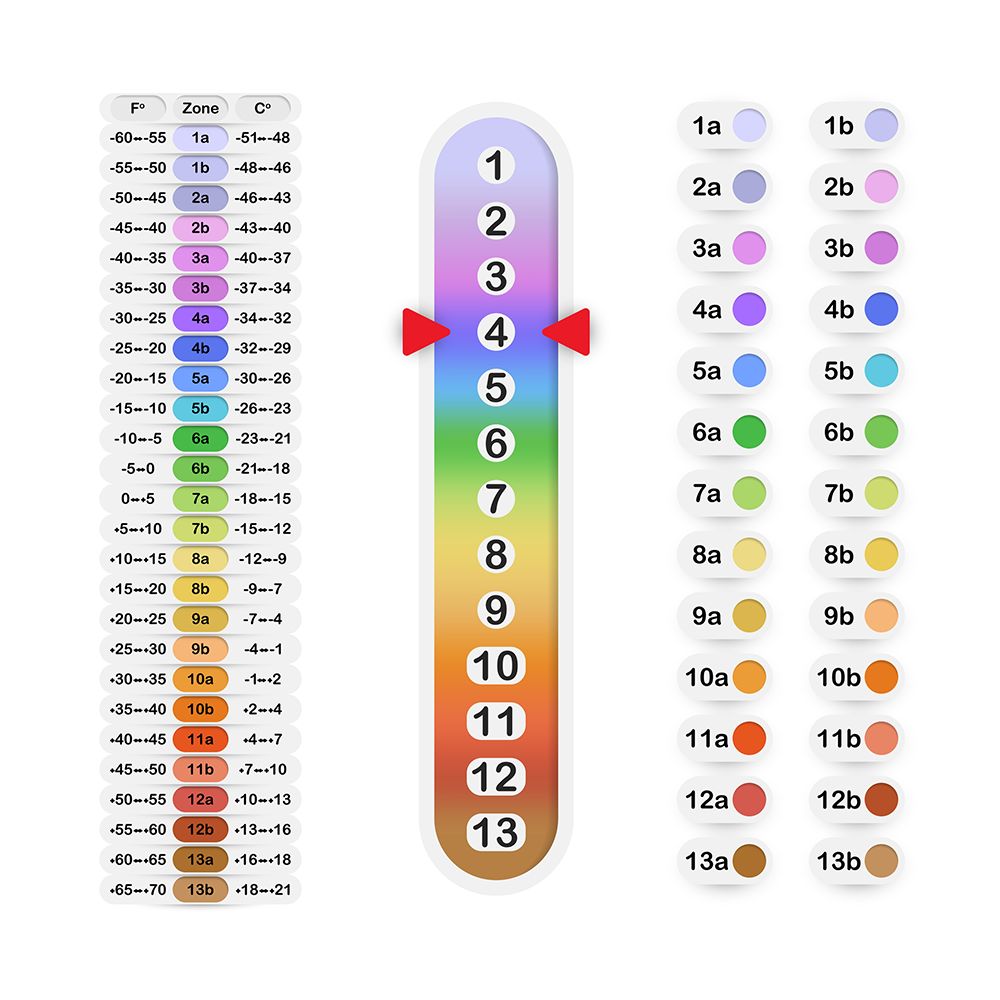
Plant hardiness zones are geographic designations developed by the U.S. Department of Agriculture (USDA) that indicate the average annual minimum winter temperature for a region. These zones range from Zone 1 (coldest) to Zone 13 (warmest), with each zone divided into “a” and “b” subcategories to offer more precision.
For example:
- Zone 5b: -15°F to -10°F
- Zone 6a: -10°F to -5°F
Knowing your exact zone helps landscape professionals like us determine which trees, shrubs, perennials, and groundcovers are likely to survive and thrive in your area’s climate.
Why Hardiness Zones Matter for Commercial Landscapes
1. Plant Survival & Reduced Replacement Costs
Selecting zone-appropriate plants means fewer losses during harsh winters or extreme summers. For commercial properties, this translates into reduced replacement costs and fewer disruptions in landscape continuity.
At Priority Landscape, we use zone data to build plant palettes that ensure longevity, helping our clients avoid the cycle of seasonal replanting and unnecessary expense.
2. Better Long-Term Landscape Planning
Understanding hardiness zones is essential for forecasting plant maturity, growth patterns, and seasonal color. Whether designing a four-season display or installing low-maintenance green buffers, knowing the zone helps create predictable, successful outcomes.
3. Sustainability Through Smart Planting
Zone-appropriate plants often require less water, fertilizer, and intervention. By choosing species well-suited to the environment, we reduce resource consumption, lower maintenance needs, and enhance sustainability—an increasingly important metric for corporate and institutional clients.
How We Use Hardiness Zones in Our Design Process
At Priority Landscape, hardiness zones inform every stage of our landscape development process—from initial consultation to installation and ongoing maintenance. Here’s how we integrate this knowledge:
● Site-Specific Assessments
Before planting a single shrub or perennial, we evaluate microclimates within your property. Buildings, parking lots, and water features can all affect how temperatures fluctuate, which means hardiness may vary even within the same zip code.
We blend USDA hardiness zone data with on-site observations to fine-tune plant selection and positioning.
● Selecting the Right Plants for the Right Places
For commercial properties located in Zones 5 and 6—common throughout the Midwest—we rely on a robust list of proven performers. Examples include:
- Trees: Red Maple, Honey Locust, Eastern Redbud
- Shrubs: Boxwood, Spirea, Viburnum
- Perennials: Coneflower, Black-eyed Susan, Daylily
We also prioritize native species wherever possible for ecological benefit and hardiness.
● Designing with Climate in Mind
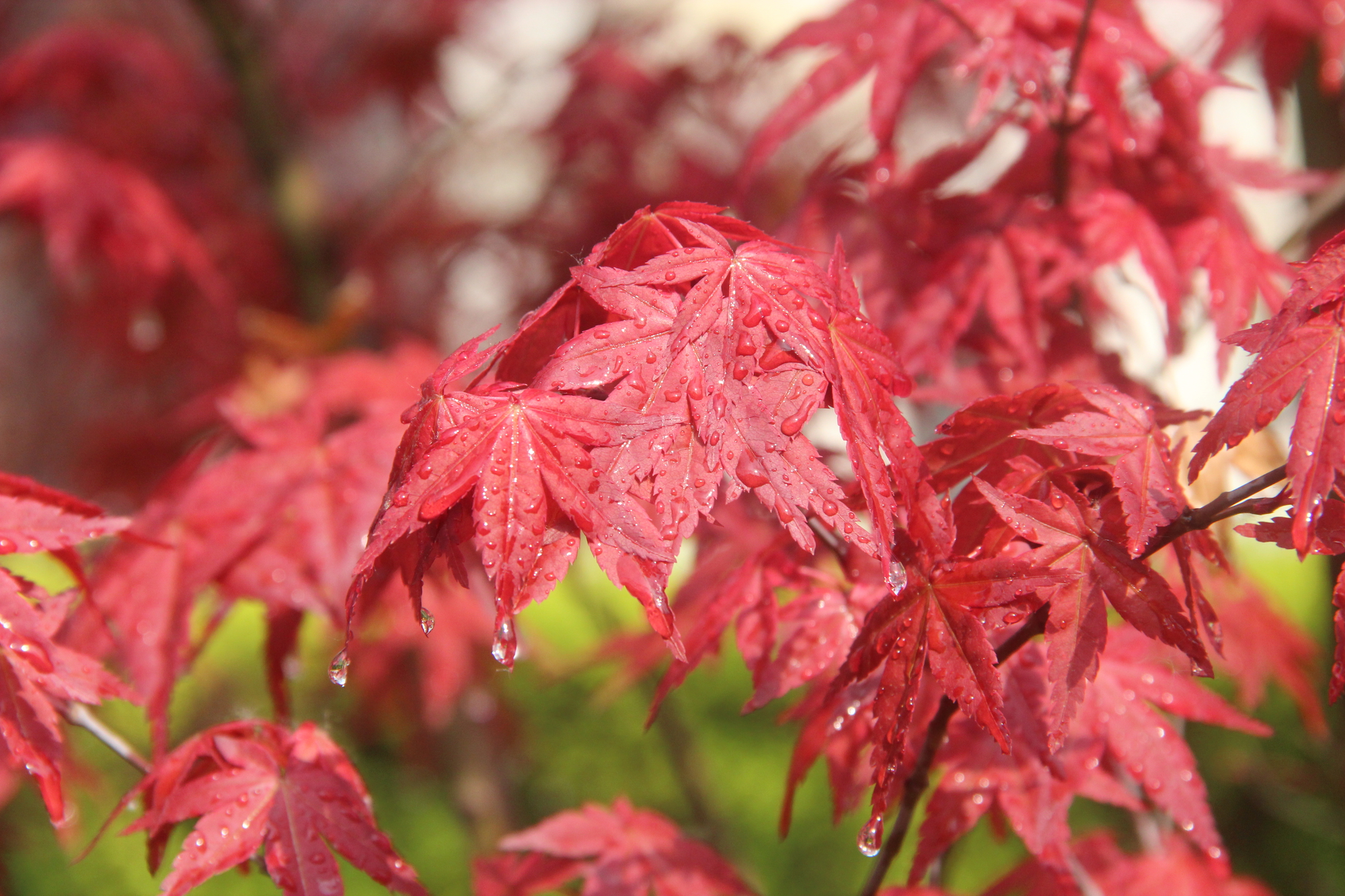
Seasonal temperature shifts, drought periods, and freeze-thaw cycles all impact plant performance. We factor in zone hardiness to ensure your landscape looks great not just in spring, but year-round—even in the most challenging seasons.
By anticipating your site’s conditions, we design resilient, dynamic environments that support both curb appeal and environmental health.
Considerations Beyond the Zone
While plant hardiness zones are essential, they’re not the only factor in successful landscape design. We also consider:
- Soil conditions – pH, texture, and drainage
- Sunlight exposure – full sun, partial shade, or full shade
- Wind exposure – especially relevant for open corporate campuses and industrial sites
- Irrigation access – to support plant health during dry spells
Combining hardiness zones with these factors ensures holistic planning and lasting results.
Ideal Clients Who Benefit Most
Understanding and utilizing plant hardiness zones is especially valuable for the following commercial settings:
● HOAs and Residential Developments
Reduce annual replanting costs and maintain consistent community appeal with zone-smart plantings.
● Corporate Campuses
Ensure year-round interest and sustainability with landscaping that supports employee wellness and branding goals.
● Medical and Senior Living Facilities
Create healing environments filled with color and texture while minimizing maintenance needs.
● Retail Centers
Deliver welcoming, photo-worthy outdoor areas that withstand high-traffic exposure and seasonal extremes.
Trust Priority Landscape to Get It Right
Misjudging plant hardiness is one of the most common—and costly—mistakes in commercial landscaping. That’s why clients across northern Illinois trust Priority Landscape to take the guesswork out of the equation.
With decades of experience and a deep understanding of climate-adapted design, we don’t just plant for today—we plan for years to come. Our team balances beauty, function, and climate intelligence to ensure your landscape not only survives—but thrives.
Let’s Build a Landscape That Lasts
Ready to install a commercial landscape designed for long-term success? Let Priority Landscape show you how understanding plant hardiness zones leads to smarter, more sustainable landscapes. Call us today at 708-946-6121 and let’s start growing your vision the right way—from the ground up.
Are you ready to be the PRIORITY?