
Reviving Your Lawn After Winter: Essential Strategies for Commercial Properties
Winter can leave lawns looking patchy, discolored, and lifeless as snow melts and temperatures rise. For commercial properties, a dull, damaged lawn can negatively impact curb appeal, making post-winter lawn care a priority for property managers and landscapers. Restoring a healthy, vibrant lawn requires a combination of targeted repair strategies and preventative measures to ensure long-term resilience.
In this guide, we’ll walk through essential post-winter lawn care strategies, including expert tips on grass recovery, soil health, and proactive maintenance to keep your commercial property looking its best.
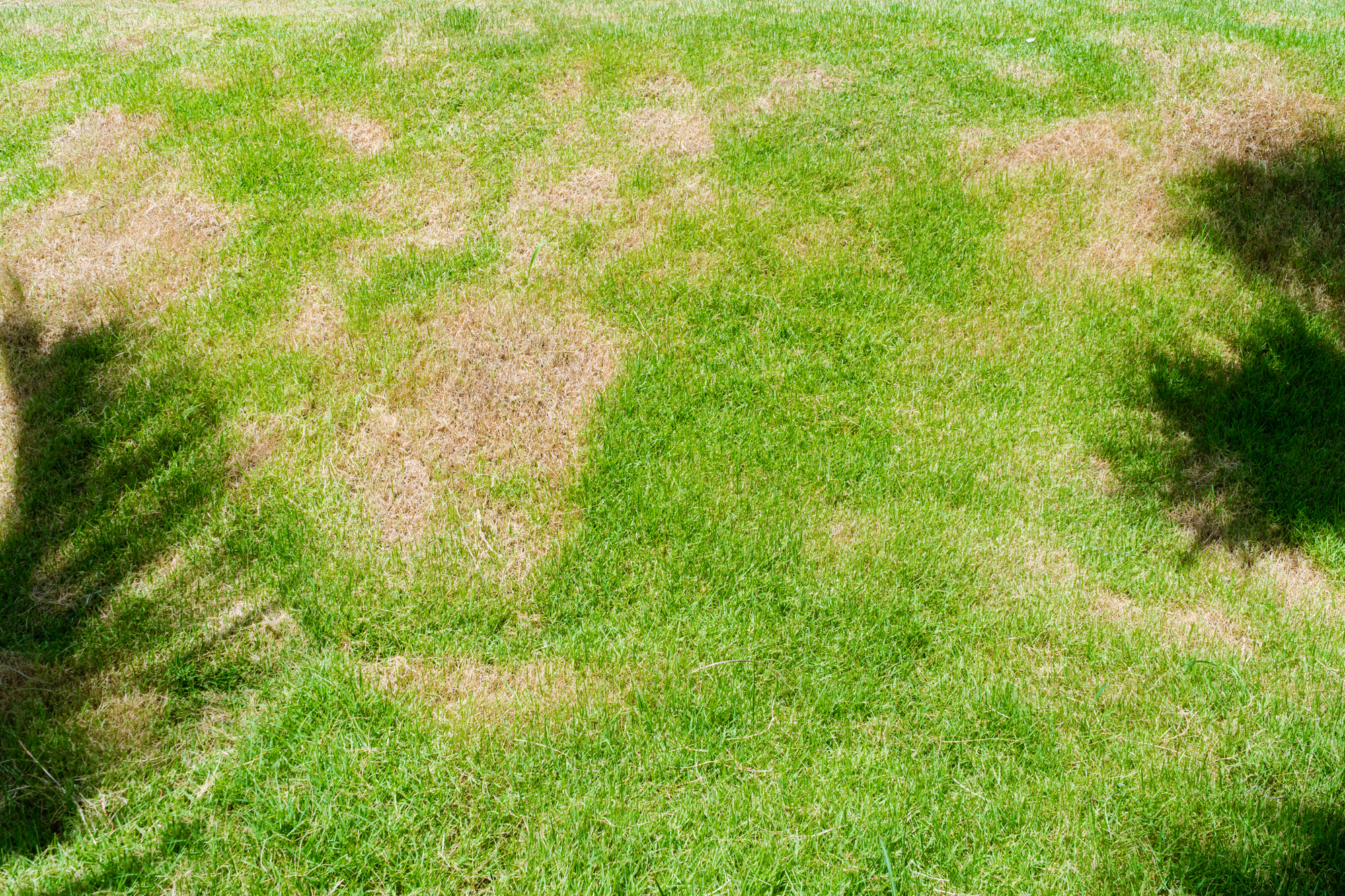
How Winter Damages Lawns
Harsh winter conditions can create several challenges for lawn health. Recognizing these common issues is the first step toward recovery.
1. Snow Mold
This fungal disease appears as circular patches of matted, discolored grass. It thrives under extended snow cover and weakens turf.
2. Soil Compaction
Snow, ice, and foot traffic compact the soil, restricting airflow, water absorption, and root growth.
3. Thatch Buildup
A layer of dead grass and organic material can accumulate over winter, suffocating grass roots if left unchecked.
4. Bare Patches
Areas with heavy foot traffic or prolonged snow coverage often emerge as thin or bare spots in spring.
Step-by-Step Lawn Recovery
1. Assess the Lawn’s Condition
Before starting repairs, evaluate the lawn for winter damage:
- Identify bare patches, thinning grass, and discolored areas.
- Check for signs of snow mold, compaction, or excessive thatch.
- Look for drainage issues or standing water.
2. Clear Debris
Removing winter debris improves airflow and allows sunlight to reach the soil:
- Rake up leaves, branches, and dead grass.
- Be gentle with wet grass to avoid further damage.
3. Aerate to Relieve Compaction
Soil compaction restricts root growth and water absorption. Core aeration helps loosen the soil, improving nutrient penetration.
- Use a core aerator to remove small plugs of soil.
- Aerate in early spring once the ground has thawed and dried.
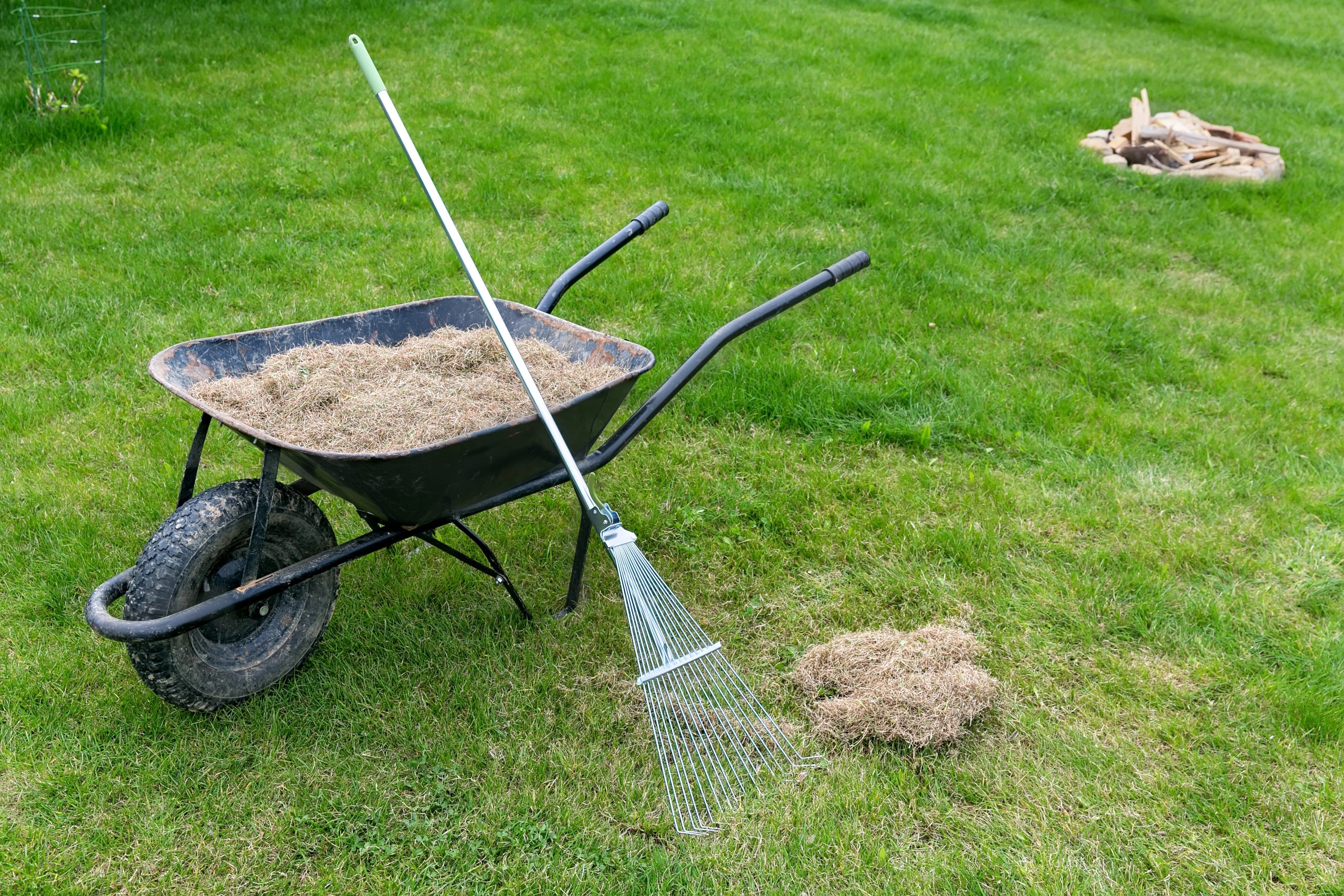
4. Dethatch If Needed
A thick thatch layer can block water and nutrients from reaching the roots.
- Use a dethatching rake or power dethatcher to break up excessive buildup.
- Improving airflow and water penetration encourages healthier growth.
5. Repair Bare Spots
Thin or bare patches need reseeding to prevent weed growth.
- Loosen the soil in affected areas.
- Apply a mix of grass seed and soil or compost.
- Water lightly and consistently for optimal germination.
6. Fertilize for Stronger Growth
Spring fertilization replenishes nutrients and strengthens roots.
- Choose a slow-release fertilizer formulated for spring applications.
- Apply evenly, following manufacturer guidelines.
7. Overseed for Thicker Turf
Overseeding helps fill in thin areas and promotes a dense, uniform lawn.
- Select a grass variety suited to your climate and lawn conditions.
- Lightly rake after seeding to ensure good seed-to-soil contact.
- Water regularly until new grass establishes.
Ongoing Lawn Care Tips
1. Water Efficiently
- Water deeply and infrequently to encourage deep root growth.
- Water in the early morning to minimize evaporation and disease risk.
2. Mow Properly
- Wait until grass reaches 3–4 inches before the first mow.
- Set the mower blade to 2.5–3 inches to reduce stress on the lawn.
- Keep mower blades sharp for clean cuts and healthier turf.
3. Monitor for Pests and Diseases
Spring is a prime time for lawn issues to emerge. Watch for:
- Grubs, which damage roots.
- Fungal growth, such as snow mold or brown patch.
- Address problems early to prevent widespread damage.
Commercial Property Lawn Care Considerations
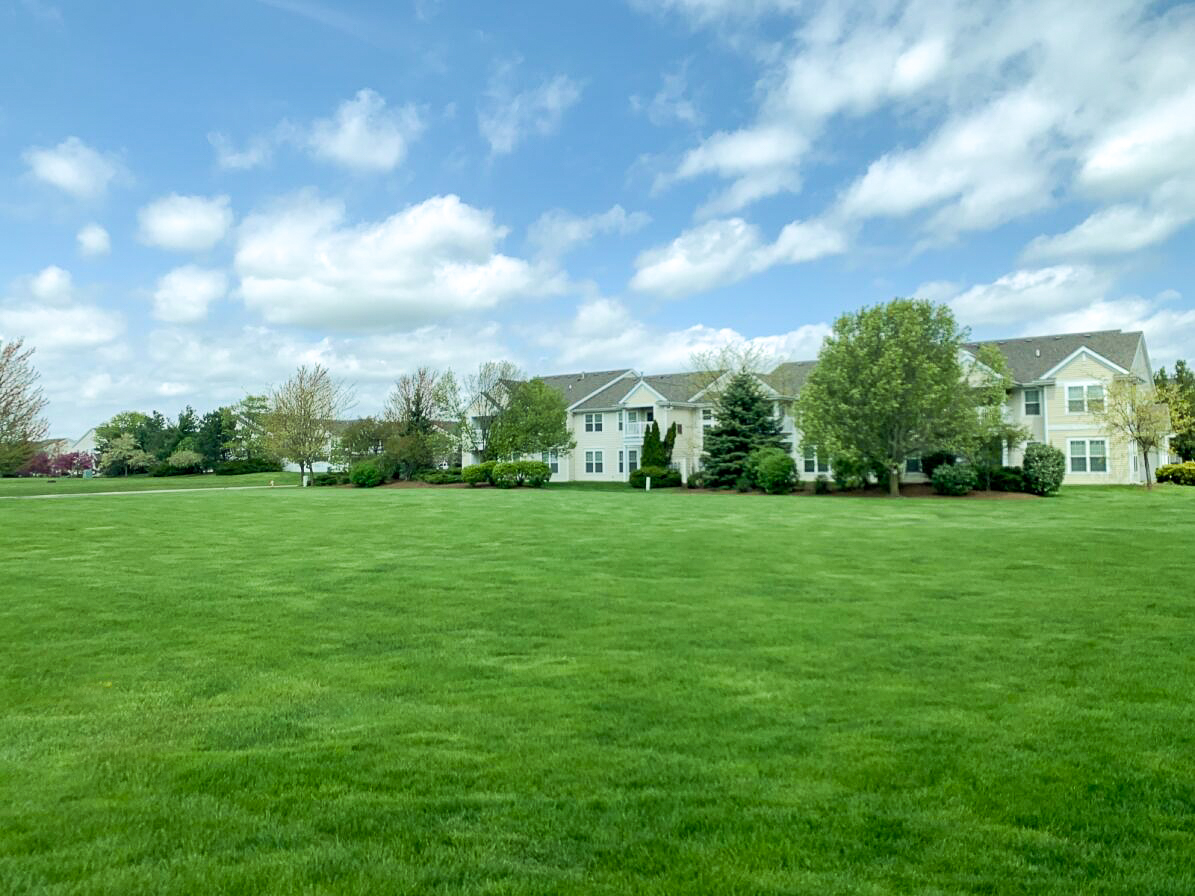
A well-maintained lawn enhances the appearance of commercial properties, creating a welcoming environment for visitors, tenants, and clients.
1. Implement a Lawn Care Schedule
Consistent maintenance is key to a healthy lawn. Set up a routine that includes:
- Regular mowing and watering.
- Seasonal fertilization and overseeding.
- Proactive pest and weed control.
2. Focus on High-Traffic Areas
Heavy foot traffic near entrances, walkways, and gathering areas requires extra care.
- Overseed frequently to maintain dense turf.
- Consider turf reinforcement mats for durability.
3. Enhance the Landscape with Complementary Features
Boost curb appeal with additional landscaping elements:
- Flower beds with low-maintenance perennials or annuals.
- Mulched borders to define lawn edges and suppress weeds.
- Outdoor lighting to highlight green spaces during evening hours.
Preparing for Future Winters
Proactive lawn care in the fall helps prevent severe winter damage.
1. Fall Lawn Preparation
- Aerate and dethatch before the first frost.
- Apply a fall fertilizer to strengthen roots.
- Rake leaves regularly to prevent fungal growth.
2. Protect Grass from Salt Damage
De-icing salts can harm grass. To minimize damage:
- Use eco-friendly alternatives like sand or calcium magnesium acetate.
- Avoid piling salt-treated snow on the lawn.
3. Rotate Snow Piles
Reposition snow piles each year to prevent prolonged grass coverage and damage.
Benefits of a Well-Maintained Lawn
Restoring your lawn after winter wear offers multiple advantages:
- Improved Curb Appeal – A lush, green lawn enhances the property’s professional image.
- Healthier Ecosystem – Strong turf improves air quality, reduces erosion, and filters rainwater.
- Cost Savings – Addressing lawn damage early prevents costly long-term repairs.
- Higher Property Value – A well-maintained lawn adds value to commercial properties.
Common Lawn Revival Mistakes
Avoid these common pitfalls to ensure long-term success:
- Starting Too Early – Working on wet or frozen soil can lead to compaction.
- Overwatering – Excess moisture can promote fungal growth and shallow roots.
- Using the Wrong Fertilizer – Applying too much or the wrong type of fertilizer can damage grass.
- Neglecting Routine Maintenance – Skipping mowing, watering, or pest control can undo recovery efforts.
Restore Your Lawn with Expert Care
Reviving your lawn after winter requires a strategic approach, combining damage assessment, targeted treatments, and consistent upkeep. A healthy, green lawn not only enhances your commercial property’s appeal but also reflects a commitment to quality and professionalism.
For expert lawn care solutions tailored to commercial properties, contact Priority Landscape at 708-946-6121 today. Let us help you restore and maintain a vibrant, thriving lawn all season long.
Are you ready to be the PRIORITY?