
Keeping Your Commercial Property Pest-Free Without the Stress
Pests are unwelcome guests in any commercial space. One day, your property looks pristine, and the next, ants, rodents, or cockroaches are making themselves at home. Left unchecked, pest problems can escalate quickly, damaging your reputation, deterring customers, and even posing health risks.
If you’re a property manager, business owner, or facility supervisor, you know the stakes are high. The good news? You don’t have to resort to harsh chemicals or constant extermination calls to keep pests at bay. With the right strategies, you can maintain a clean, professional, and pest-free environment.
Let’s explore effective, sustainable pest control solutions that protect your property—without driving you crazy in the process.
Why Proactive Pest Control Matters
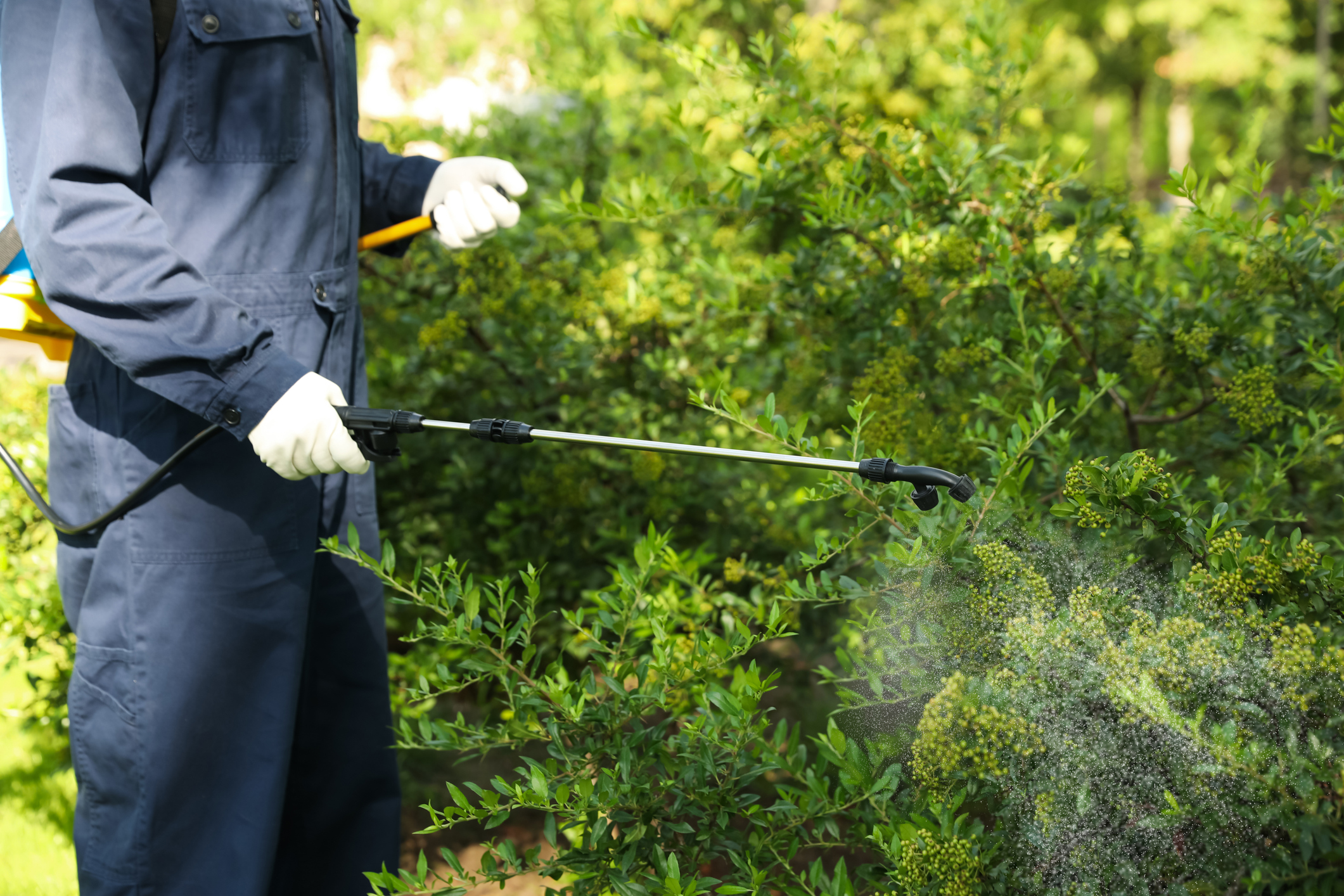
Waiting until pests appear is like waiting for a leak to flood your building before fixing a pipe. Once pests settle in, they multiply fast, hide in hard-to-reach spots, and evade quick fixes. The best way to win the pest battle is to prevent it from happening in the first place.
Beyond avoiding costly extermination, proactive pest control safeguards your business’s reputation. A single pest sighting—whether in a restaurant, office, or retail store—can lead to negative reviews, failed inspections, and lost customers. Prevention is your best defense.
Common Commercial Property Pests
Different commercial properties attract different pests. Here’s what you might be up against:
- Rodents – Chew through wiring, contaminate food, and leave behind droppings.
- Cockroaches – Infamous for their resilience and ability to spread bacteria.
- Flies – A sanitation nightmare in restaurants and food service settings.
- Termites – Can cause costly structural damage to buildings.
- Bed Bugs – A hospitality industry horror story, notorious for spreading fast.
Identifying potential threats is the first step in developing an effective pest management strategy.
How to Keep Pests Out: Prevention Strategies That Work
1. Seal Entry Points
Pests get in through the smallest cracks and gaps. Conduct regular inspections and seal:
- Cracks in walls, doors, and windows.
- Gaps around utility lines, vents, and drainage pipes.
- Openings in roofing, basements, or crawl spaces.
2. Maintain Cleanliness & Sanitation
Pests thrive in cluttered, food-rich environments. Keep them away with:
- Daily cleaning routines – Sweep, mop, and disinfect high-traffic areas.
- Proper food storage – Use airtight containers and clean up spills immediately.
- Waste management – Empty trash regularly, seal dumpsters, and prevent overflow.
3. Optimize Outdoor Landscaping
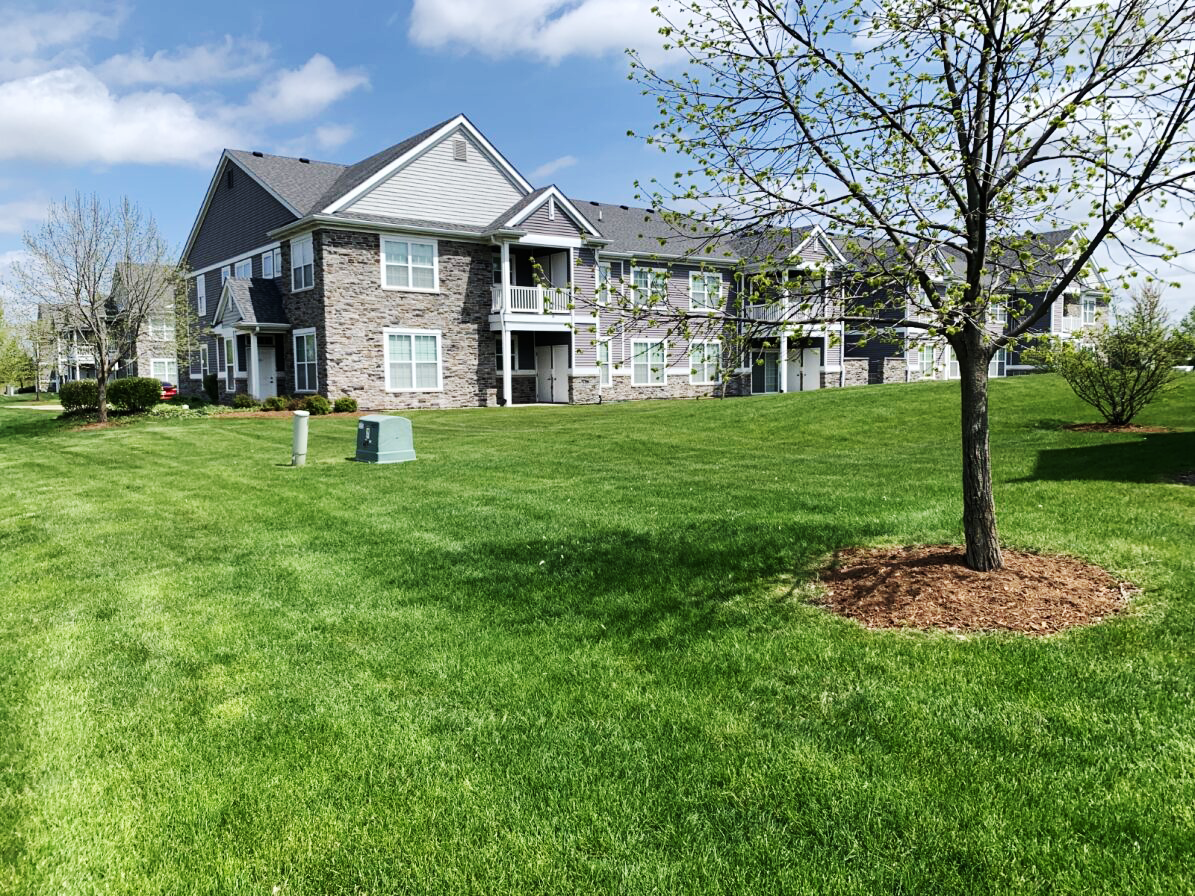
Overgrown landscaping, standing water, and neglected outdoor areas invite pests. Keep your property in check by:
- Trimming bushes and trees to eliminate hiding spots.
- Draining standing water to prevent mosquito breeding.
- Planting pest-repelling greenery like lavender or marigolds.
Smart Pest Control Strategies for Commercial Properties
1. Implement Integrated Pest Management (IPM)
Instead of relying on chemical-heavy extermination methods, IPM combines multiple strategies, including:
- Routine inspections to catch problems early.
- Targeted treatments that minimize environmental impact.
- Eco-friendly solutions like traps, exclusion techniques, and biological controls.
2. Partner with Professional Pest Control Services
Regular pest inspections should be part of your maintenance plan—just like HVAC or plumbing checks. A professional pest management company can:
- Identify early signs of infestations.
- Recommend property-specific prevention measures.
- Use non-toxic, eco-conscious treatments for pest control.
3. Utilize Modern Pest Control Technology
Advancements in pest control are making it easier to prevent and monitor infestations. Consider:
- Smart monitoring systems – Sensors detect rodent activity in real time.
- Heat treatments – An effective, chemical-free solution for bed bugs.
- Automated traps – Humane, efficient alternatives to poisons and sprays.
Involving Employees in Pest Prevention
Even with the best pest control plan, employees can unknowingly attract pests. Make sure your team:
- Stores food properly and cleans up after meals.
- Closes doors and windows when not in use.
- Reports pest sightings immediately to prevent escalation.
Posting simple reminders and having a designated point of contact for pest concerns can make all the difference.
What to Do If You Already Have a Pest Problem
Despite your best efforts, pests have moved in. Now what?
- Act quickly. The longer you wait, the worse the problem becomes.
- Call a professional. DIY methods may not fully eliminate infestations.
- Find the source. Identify how pests got in and take steps to block their access.
- Implement long-term solutions. Once the issue is resolved, reinforce your pest prevention strategy to avoid future problems.
The Future of Pest Control: Sustainable & High-Tech Solutions
As businesses prioritize sustainability, pest control is evolving to include eco-friendly and tech-driven solutions. Expect to see:
- AI-driven pest detection – Smart systems that monitor and alert businesses to infestations.
- Biological pest control – Using natural predators (like certain wasps) to manage pest populations.
- Non-toxic, plant-based treatments – Safer alternatives to traditional pesticides.
Winning the Pest Battle for Good
Keeping your commercial property pest-free requires a proactive, multi-layered approach. By prioritizing sanitation, routine maintenance, and professional pest management, you can prevent infestations, protect your reputation, and maintain a clean, safe environment.
The key to success? Stay vigilant, educate employees, and embrace modern pest control strategies. A pest-free property isn’t just good for business—it’s essential for maintaining a professional and welcoming space.
Need expert landscaping solutions to reduce pest risks? Contact Priority Landscape at 708-946-6121 for property maintenance services that keep your outdoor spaces clean, functional, and pest-resistant!
Are you ready to be the PRIORITY?