
Designing a Pollinator-Friendly Landscape: A Smart, Sustainable Choice
Pollinators are essential to the health of our ecosystems, playing a vital role in biodiversity, food production, and the beauty of natural landscapes. By integrating pollinator-friendly plants and sustainable design principles into your landscape, you can create a vibrant, eco-conscious space that benefits both the environment and your property’s appeal. Whether managing a commercial property or enhancing green spaces, designing with pollinators in mind is a smart and rewarding investment.
In this guide, we’ll explore best practices for pollinator-friendly landscaping, highlight essential plant choices, and share eco-friendly strategies to attract and support pollinators.
Why Pollinator-Friendly Landscaping Matters
Pollinators—including bees, butterflies, moths, birds, and bats—are critical to ecosystem stability. Creating pollinator-friendly spaces helps:
- Support Biodiversity – Pollinators enable plant reproduction, sustaining diverse habitats.
- Boost Plant and Crop Growth – Over 75% of flowering plants and crops depend on pollinators.
- Enhance Landscape Aesthetics – Pollinator-friendly gardens add vibrant color, movement, and life.
- Combat Pollinator Decline – Habitat loss, pesticides, and climate change threaten pollinators, making conservation efforts more important than ever.
Key Elements of a Pollinator-Friendly Landscape
Designing a thriving habitat for pollinators involves careful plant selection, strategic landscaping, and eco-friendly maintenance practices.
1. Prioritize Native Plants
Native plants are well-adapted to local conditions and serve as primary food sources for native pollinators.
Benefits of Native Plants:
- Require less water and maintenance
- Provide essential nutrients for local pollinators
- Resist local pests and diseases
Examples:
- Northeast U.S.: Purple coneflower, milkweed, goldenrod
- Southwest U.S.: Desert marigold, penstemon, agave
2. Incorporate a Variety of Flowers
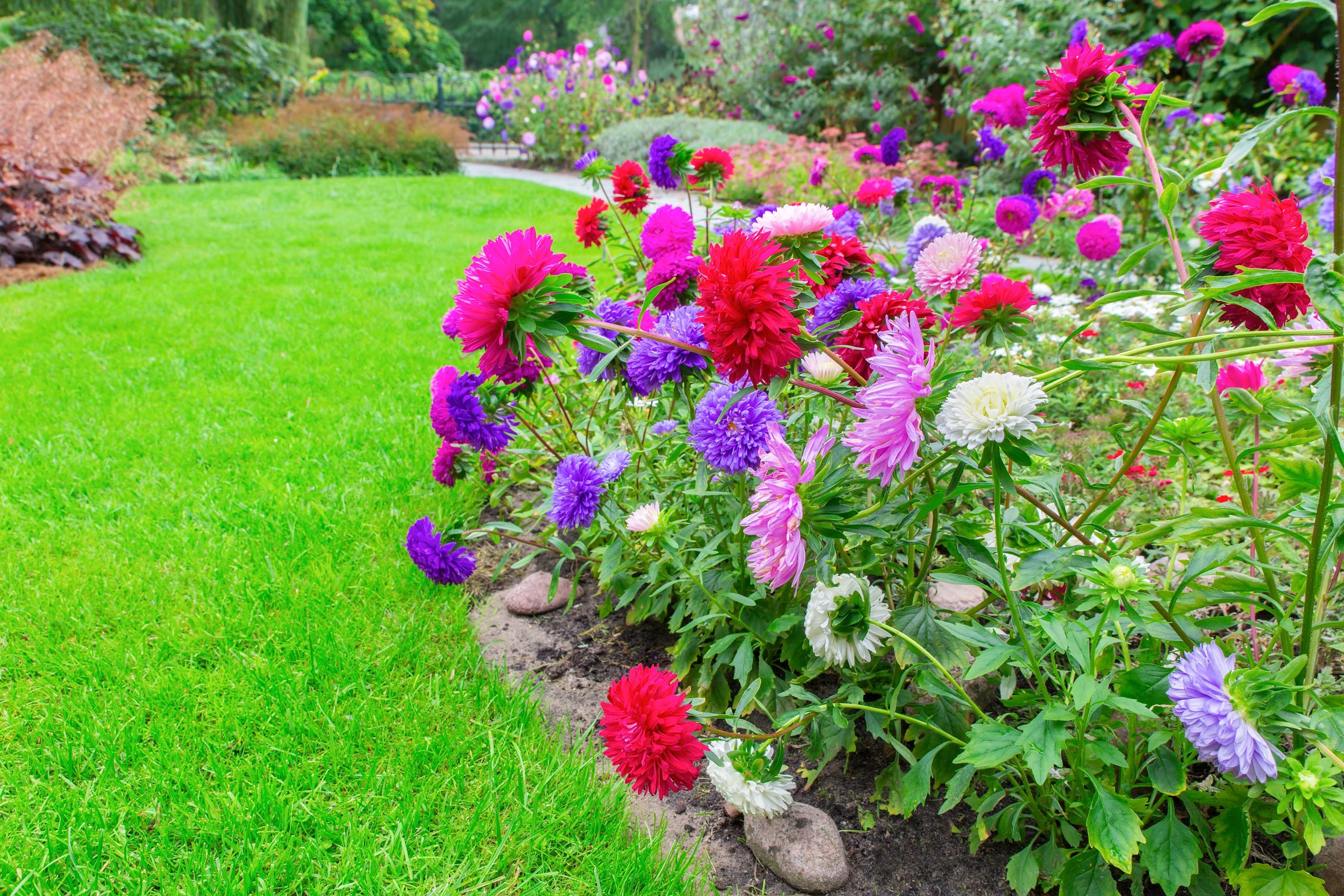
Different pollinators prefer different flower shapes and colors. A diverse mix ensures year-round nectar and pollen availability.
Best Practices:
- Include plants that bloom in different seasons to provide consistent food sources.
- Vary flower shapes and sizes to attract different species.
- Bees prefer tubular flowers like foxglove.
- Butterflies are drawn to flat-topped blooms like zinnias.
3. Group Plants in Clusters
Planting flowers in clusters of at least three to five of the same species makes foraging easier and more efficient for pollinators.
4. Provide Host Plants for Butterflies
While nectar plants feed adult butterflies, host plants support caterpillars.
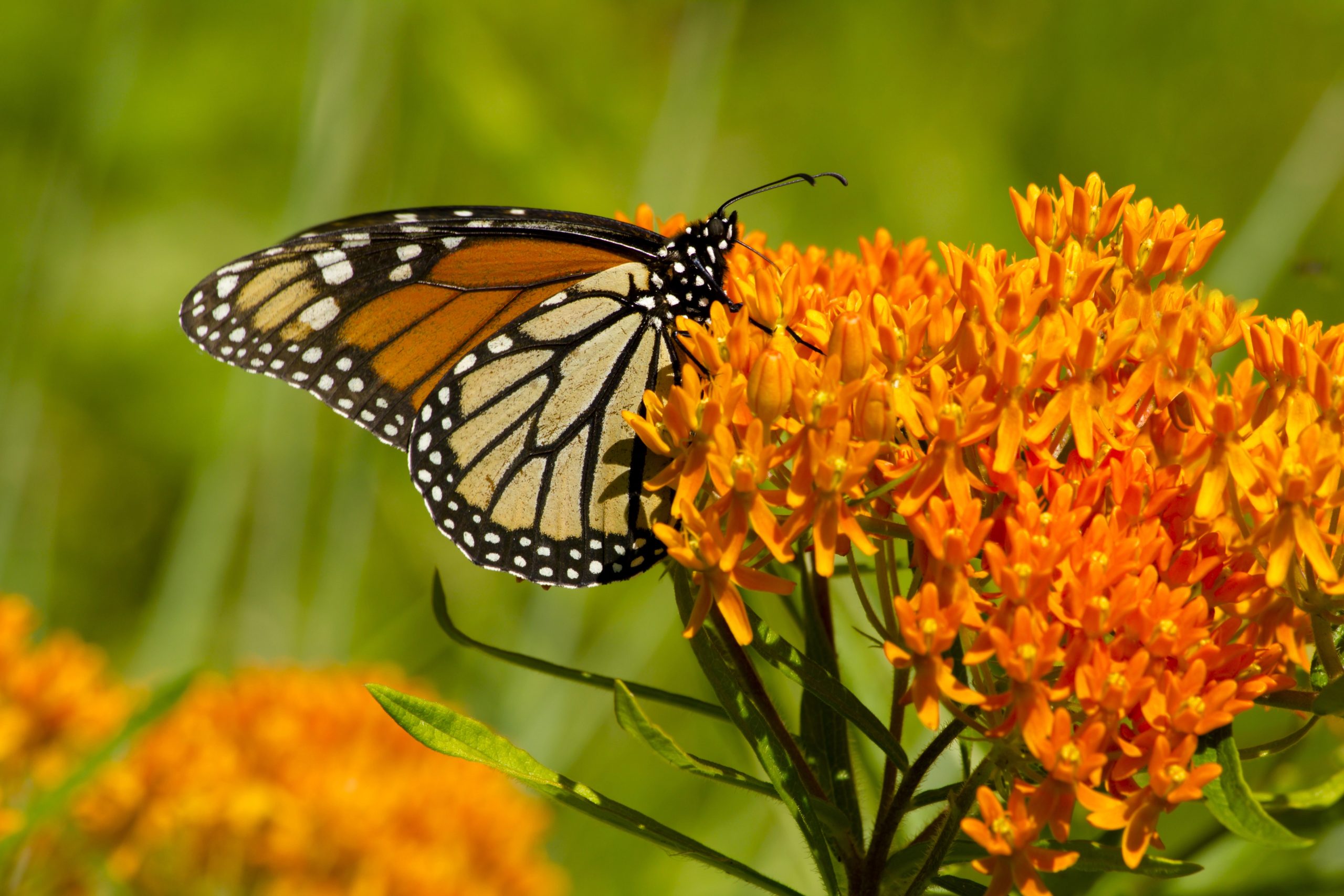
- Milkweed for monarch butterflies
- Parsley and dill for swallowtails
5. Add Pollinator Shelters
Pollinators need safe spaces to nest and rest. Enhance your landscape with:
- Bee hotels for solitary bees
- Bare soil patches for ground-nesting bees
- Shrubs and trees for shelter from predators and weather
Best Pollinator-Friendly Plants
1. Wildflowers
- Black-eyed Susan
- Coreopsis
- Lupine
- Blanket flower
2. Perennials
- Echinacea (coneflowers)
- Salvia
- Yarrow
- Bee balm
3. Shrubs and Trees
- Serviceberry
- Elderberry
- Willow
- Dogwood
4. Herbs
- Lavender
- Thyme
- Mint
- Basil
5. Ground Covers
- Creeping thyme
- Clover
- Violets
- Phlox
Eco-Friendly Practices for Pollinator Gardens
1. Avoid Pesticides
Pesticides are one of the biggest threats to pollinators. Use these safer alternatives:
- Introduce natural predators like ladybugs to control pests.
- Apply treatments early in the morning or late in the evening when pollinators are less active.
2. Reduce Lawn Space
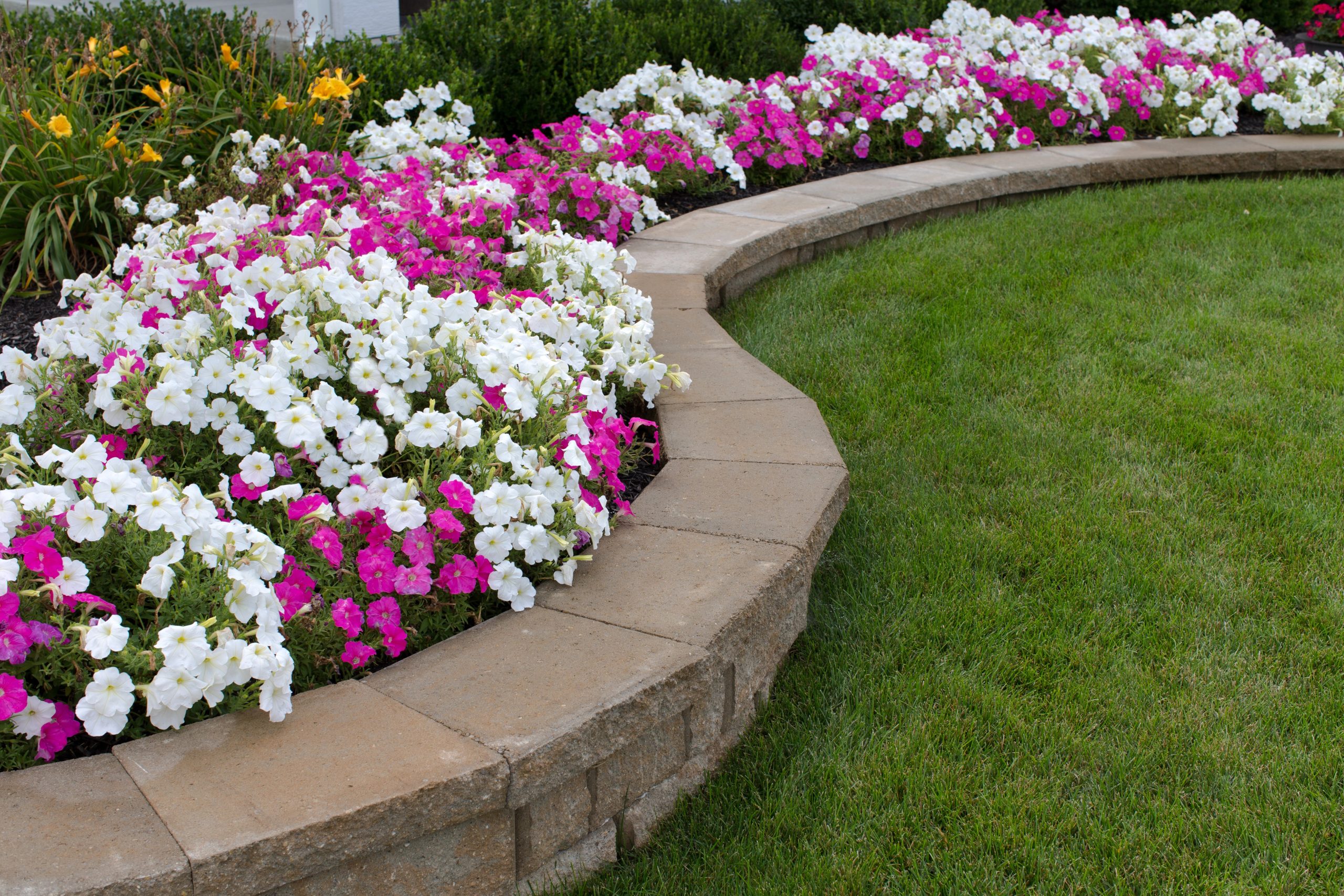
Traditional lawns offer little value to pollinators. Replace sections of turf with native flowers, shrubs, or wild grasses.
3. Provide Clean Water Sources
Pollinators need access to fresh water for drinking and cooling. Consider adding:
- Birdbaths with shallow edges or stones for safe landing spots.
- Small ponds with native aquatic plants.
4. Use Organic Mulch
Natural mulches like bark, straw, or wood chips help retain moisture while allowing ground-nesting bees access to the soil.
5. Let Areas Grow Naturally
Designating “wild” sections of your property with native plants and minimal maintenance supports natural pollinator habitats.
Pollinator-Friendly Landscaping for Commercial Properties
Pollinator-friendly landscaping isn’t just for private gardens—businesses and commercial properties can also benefit.
1. Enhance Entrances and Walkways
Planting nectar-rich flowers near entrances and pathways creates an inviting space for both visitors and pollinators.
2. Designate Pollinator Zones
Set aside specific areas for pollinators, incorporating a variety of plants, water sources, and nesting habitats. Inform visitors with signage about the space’s environmental benefits.
3. Utilize Rooftop or Balcony Gardens
Urban commercial properties can create pollinator-friendly spaces on rooftops or balconies, improving both aesthetics and insulation.
4. Highlight Your Sustainability Commitment
A pollinator-friendly landscape demonstrates an eco-conscious approach, appealing to tenants, clients, and employees who value sustainability.
Benefits of Pollinator-Friendly Landscaping
- Healthier Ecosystems – Encouraging pollinators supports overall biodiversity.
- Lower Maintenance Costs – Native plants require less irrigation and upkeep.
- Enhanced Curb Appeal – A colorful, thriving landscape attracts attention and creates a welcoming environment.
- Community Engagement – Pollinator gardens can serve as educational tools and community-building projects.
Common Mistakes to Avoid
1. Overusing Non-Native Plants
Exotic species may not provide the right nutrients for local pollinators and can disrupt ecosystems.
2. Ignoring Bloom Timing
A landscape with only summer-blooming plants leaves pollinators without food for much of the year.
3. Using Harmful Chemicals
Even some organic products can harm pollinators. Research pest control methods before application.
4. Neglecting Maintenance
Pollinator-friendly gardens still require pruning, weeding, and monitoring to remain healthy.
The Future of Pollinator-Friendly Landscaping
With increasing awareness of environmental conservation, pollinator-friendly landscaping is becoming a priority in commercial and residential design. Future trends include:
- Integrated smart irrigation to optimize water use while supporting pollinators.
- Urban pollinator corridors connecting green spaces for migrating species.
- Increased corporate investment in sustainable landscaping to enhance eco-friendly branding.

Create a Landscape That Supports Pollinators
A pollinator-friendly landscape is an investment in the environment, biodiversity, and property value. By incorporating native plants, reducing chemical use, and creating safe habitats, you can attract and sustain pollinators while enhancing your property’s beauty.
Interested in transforming your property into a pollinator-friendly space? Contact Priority Landscape at 708-946-6121 to learn more about sustainable landscaping solutions for commercial properties.
Are you ready to be the PRIORITY?


