
Avoiding Common Mistakes in Fall Pruning
Fall is a season of transformation, not just for the colors of the leaves but also for the health and vitality of your garden. One of the most critical tasks during this season is pruning shrubs and trees. While it may seem like a straightforward task, pruning requires a nuanced approach to ensure you’re doing more good than harm. In this comprehensive guide, we’ll delve into the benefits of fall pruning, common mistakes to avoid, and best practices in tree and shrub maintenance.
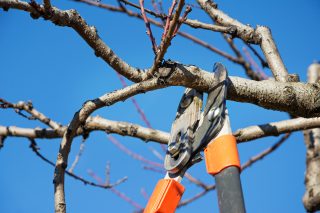
The Benefits of Fall Pruning
Reduced Stress on Plants
During the growing season, plants are in a constant state of flux, channeling their energy into producing leaves, flowers, and fruits. Come fall, this hectic pace slows down, making it an ideal time for pruning. The reduced stress on the plants allows them to heal faster from the cuts, ensuring robust growth in the spring.
Disease Prevention
Fall’s cooler temperatures and lower humidity create an environment less conducive for the spread of plant diseases. When you prune during this time, you reduce the risk of diseases like fungal infections taking advantage of the fresh cuts to invade your plants.
Improved Visibility
As deciduous trees and shrubs shed their leaves in the fall, the plant’s structure becomes more visible. This improved visibility allows for more precise pruning, enabling you to identify dead or diseased branches easily.
Common Mistakes to Avoid
Over-Pruning
It’s easy to get carried away and start snipping away at every branch that seems out of place. However, removing too much foliage can stress the plant and make it more susceptible to diseases and winter damage. A good rule of thumb is never to remove more than one-third of the plant’s total foliage in a single pruning session.

Incorrect Timing
While fall is generally a good time for pruning, the timing within the season is crucial. Pruning too early while the plant is still active can stimulate new growth that won’t harden off before winter, making it susceptible to cold damage. On the other hand, pruning too late can result in the plant not having enough time to heal before winter.
Using Dull or Dirty Tools
The importance of using sharp, clean tools cannot be overstated. Dull blades can cause jagged cuts that take longer to heal and increase the risk of infection. Always sharpen your tools before a pruning session and disinfect them to prevent the spread of diseases.
Best Pruning Techniques for Fall
Selective Pruning
The goal should be to remove only the dead, diseased, or damaged branches. This selective pruning improves the plant’s health and appearance without causing unnecessary stress.
Angled Cuts
When making cuts, aim for a 45-degree angle about 1/4 inch above a bud. This angle promotes quicker healing and directs new growth away from the center of the plant.
Tool Disinfection
It’s a good practice to disinfect your pruning tools with a solution of one part bleach to nine parts water. This precaution helps prevent the spread of plant diseases from one cut to another.
Tree and Shrub Maintenance: More Than Just Pruning
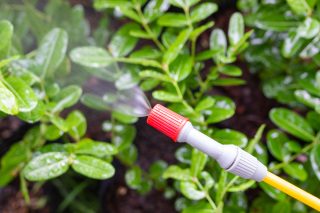
Pruning is a significant aspect of tree and shrub maintenance, but it’s not the only one. Your plants also require regular watering, especially in the absence of sufficient rainfall. Fertilization is another crucial element; however, it’s essential to conduct a soil test to determine the nutrients your garden lacks. Pest and disease control, mulching, and proper spacing are other factors that contribute to the overall health and beauty of your landscape.
Take the Next Step for a Healthier Landscape
Fall pruning is an essential but often misunderstood aspect of tree and shrub maintenance. By understanding its benefits and avoiding common pitfalls, you can ensure that your garden remains a source of pride and beauty. Remember, the objective is not just to cut but to cut wisely, setting the stage for a lush, healthy landscape when spring arrives.
Don’t leave the health and beauty of your landscape to chance. Contact Priority Landscape Maintenance today at (708) 946-6121 to schedule a professional pruning service. Let our expert team guide you through the best practices in fall pruning, ensuring your trees and shrubs are set for success in the coming seasons.
Are you ready to be the PRIORITY?


